Engineering Serendipity: Collision Theory Applied to Community Building
Engineering Serendipity raises the odds of meaningful connection through three variables — frequency, density, catalyst. Collision theory, applied to people.
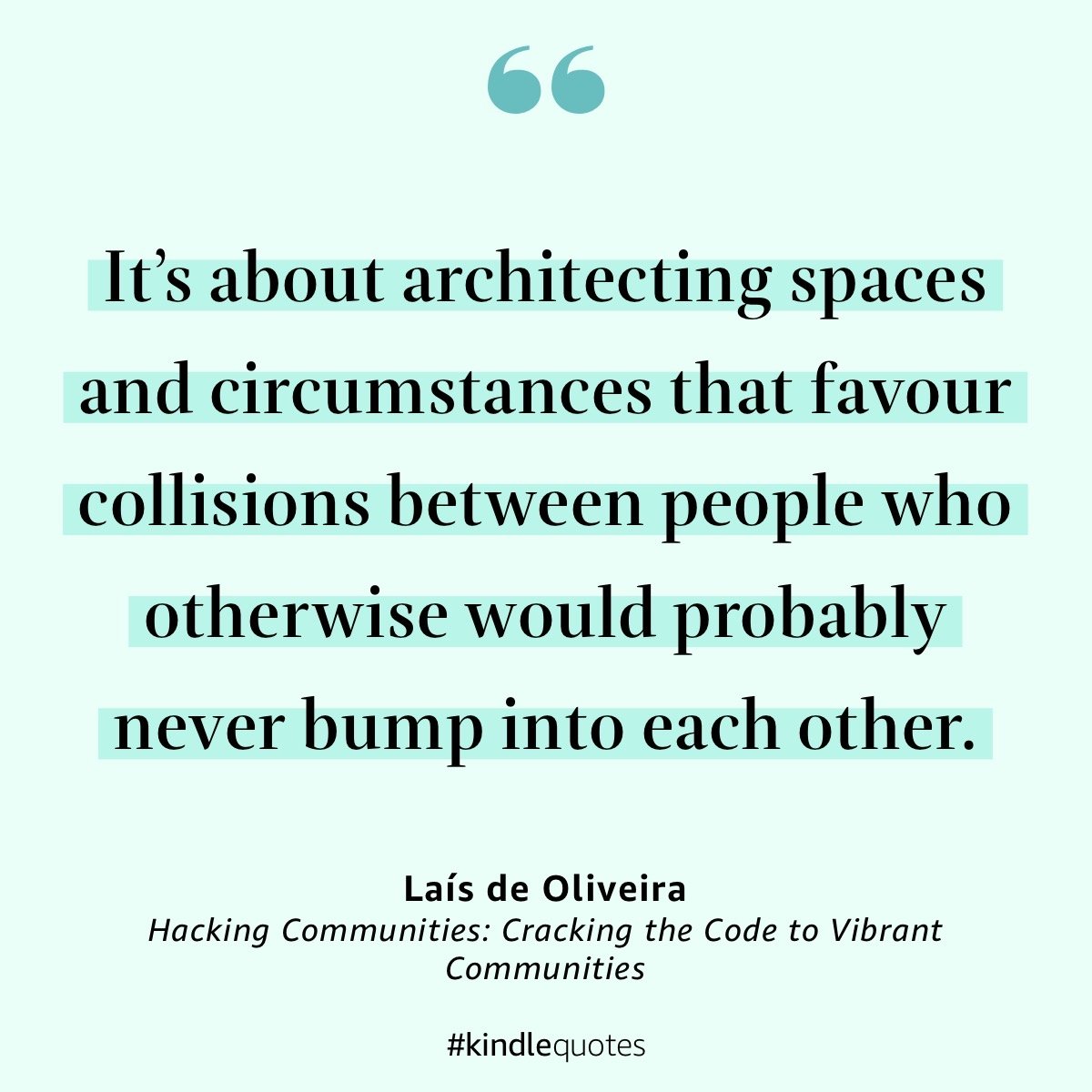
Engineering Serendipity is the practice of increasing the chance of meaningful connections by increasing the rate — and the relevance — of collisions between people. It is collision theory applied to humans: not every collision produces a reaction, but the more relevant collisions occur, the more likely the reactions become. It is not about controlling any single connection. It's about making space for the ones you could never have arranged yourself.
“Great things are done by a series of small things brought together.”
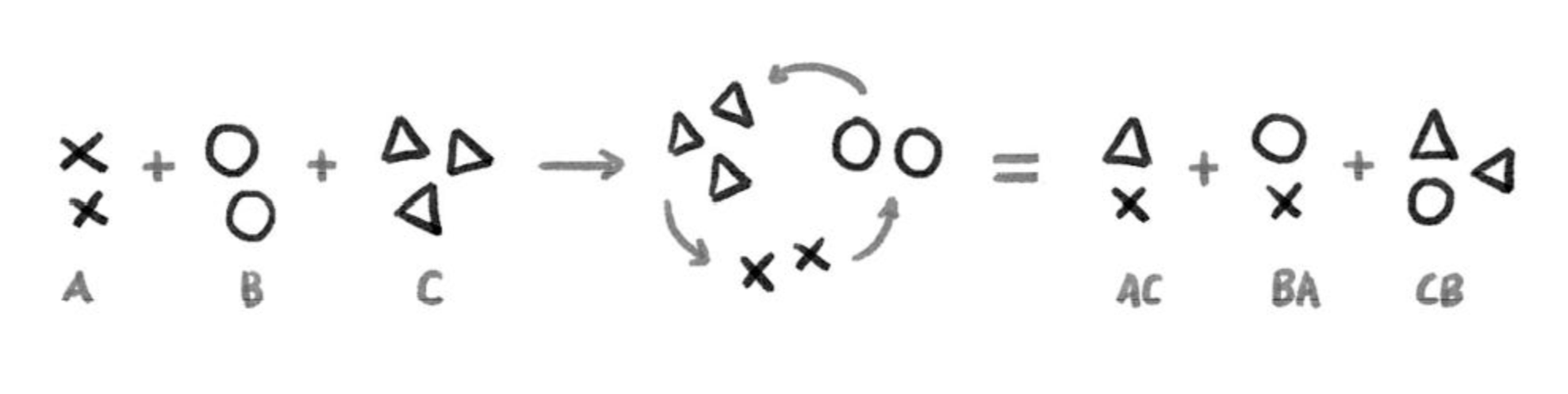
What is collision theory, and what does it have to do with people?
Collision theory is the chemistry principle that the rate of a reaction is proportional to the number of collisions between reactant molecules — and it maps onto communities almost perfectly. Molecules have to collide in order to react, but not every collision produces a reaction; it depends on whether there is enough energy (the minimum is called activation energy) and whether the molecules meet at the right orientation. Concentration matters too: more molecules in a bounded space means more collisions, and a higher rate of reaction.
Chemists raise reaction rates by changing concentration, temperature, surface area, pressure, or by adding a catalyst. You could stretch every one of those into a community metaphor — turn the music up for temperature, invite vulnerability for surface area — but the useful version collapses them into three things you can actually manage.
The translation is simple: not every encounter will produce a real connection, but you increase the probability of one by increasing the rate and the relevance of collisions between people.
What are the three variables you can control?
There are three levers that raise the serendipity rate — frequency, density, and catalyst — and between them they cover everything you can actually influence.
Frequency — the variable is time. Keeping a consistent cadence of encounters.
Density — the variable is space (and curation). Designing settings that concentrate people and make relevant conversation likely.
Catalyst — the variable is trust (or relevance). Anything that accelerates the bond between two people who have just met.
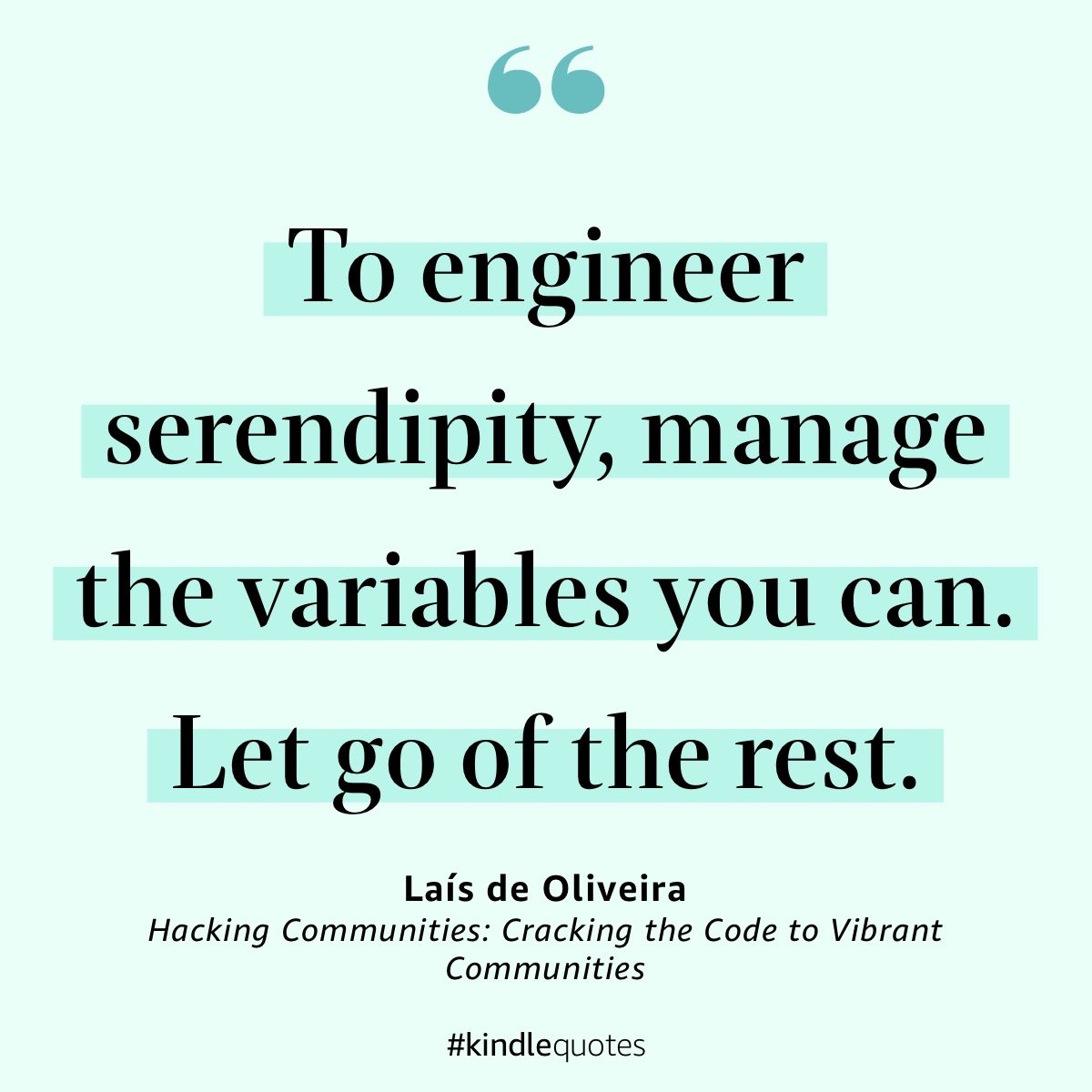
Manage the variables within your reach. Let go of the rest.
That last part matters more than it sounds. Your role is not to make each relevant conversation happen — it's to make space for them. The outcome isn't yours to control; the conditions are.
How often should a community gather?
Often enough to build familiarity, and at a cadence you can actually sustain — because there is no relationship building without consistent encounters. Trust is built over time. Connecting people through recurring meetings creates familiarity and accelerates the process of belonging.
The useful rule for setting cadence is operational rather than aspirational: the lower the operational and attention cost of a gathering, the more frequently it can happen.
A monthly dinner is realistic to host and to attend, provided it's genuinely relevant to the people invited. A three-day festival is realistically an annual event. Match the rhythm to the real cost, not to the ambition, because a cadence you break is worse than a slower one you keep.
Every type of event, piece of content, or activity attracts people at different stages of commitment and for different reasons — so a healthy calendar carries several rhythms at once rather than one.
How do you design a space that produces connection?
You design for density: manage the space and curate the people so that relevant collisions become likely rather than accidental. Build closeness and intimacy through the setting itself, physical or virtual, and optimise every bit of the room for collisions. A community is not a monologue but a conversation running in all directions, and the space either invites that or quietly prevents it.
There's an optimal ratio between the number of people you gather and the space you gather them in. You wouldn't host an intimate dinner for fifteen in the middle of a football stadium. If the goal is to deepen relationships, a small dinner beats a festival every time. Round tables, warm light, chairs people can sink into: the space should reflect the intention of the encounter.
Two design moves are worth stealing directly.
Create landmarks: objects or features that work as conversation starters, so people have something to talk about before they have each other.
And make the space purposefully inconvenient, so that getting from one place to another routes people past each other rather than around each other.
What accelerates trust between strangers?
A catalyst does — anything that speeds up the reaction by accelerating trust. When we meet someone who feels familiar, we bond faster than usual, and consciously or not that comes from the perceived trust that relevance provides. It's inherited trust, and it derives from things held in common: a mutual friend, a trusted brand, the same taste in music, the same university.
Relevance comes from three sources:
Curation — invite-only, or some selection process that signals who else is in the room.
Seniority — people who have achieved something above average, whose presence raises the perceived value of being there.
Familiarity — inherited trust from a brand or prior knowledge; having something in common, whether a friend or an interest.
The connectors inside your community are catalysts too. So is a warm introduction, and so is good facilitation. A high-relevance context means a higher probability of connection.
Why does serendipity produce creativity?
Because creativity comes from unplanned encounters, and unplanned encounters can be designed for. Steve Jobs reportedly believed exactly this. His biographer Walter Isaacson quotes him: "Creativity comes from spontaneous meetings, from random discussions. You run into someone, you ask what they're doing, you say 'Wow,' and soon you're cooking up all sorts of ideas."
Pixar's studios were built on that belief. Isaacson describes a building designed around a central atrium specifically "to make people get out of their offices and mingle in the central atrium with people they might not otherwise see" — a water cooler effect, at scale.
It worked. The animator John Lasseter said the space "would draw you to the center, or have you crossing it, many times a day," and that he "kept running into people I hadn't seen for months. I've never seen a building that promoted collaboration and creativity as well as this one."
Nobody scheduled those conversations.
Someone designed the floor plan that made them inevitable.
Why does diversity increase serendipity?
Diversity is a serendipity accelerator, because unexpected collisions require people who wouldn't otherwise meet. You cannot expect a series of unexpectedly good outcomes from conversations that keep covering the same topics, with the same people, using the same thinking. Only through diversity can you make something genuinely new.
The economics back it. McKinsey's 2015 Why Diversity Matters study found companies in the top quartile for diversity outperform the rest — racial and ethnic diversity correlating with returns 35% above the national average, gender diversity with 15%. A Startup Genome study found that 20% of the world's top tech founders are immigrants, a group representing roughly 4% of the world's population.
So build it in deliberately.
The job is to mix people who belong together but don't know it yet — attracting a diverse group on purpose, and then building the trust that lets them actually meet.
How do you mix crowds that don't naturally mix?
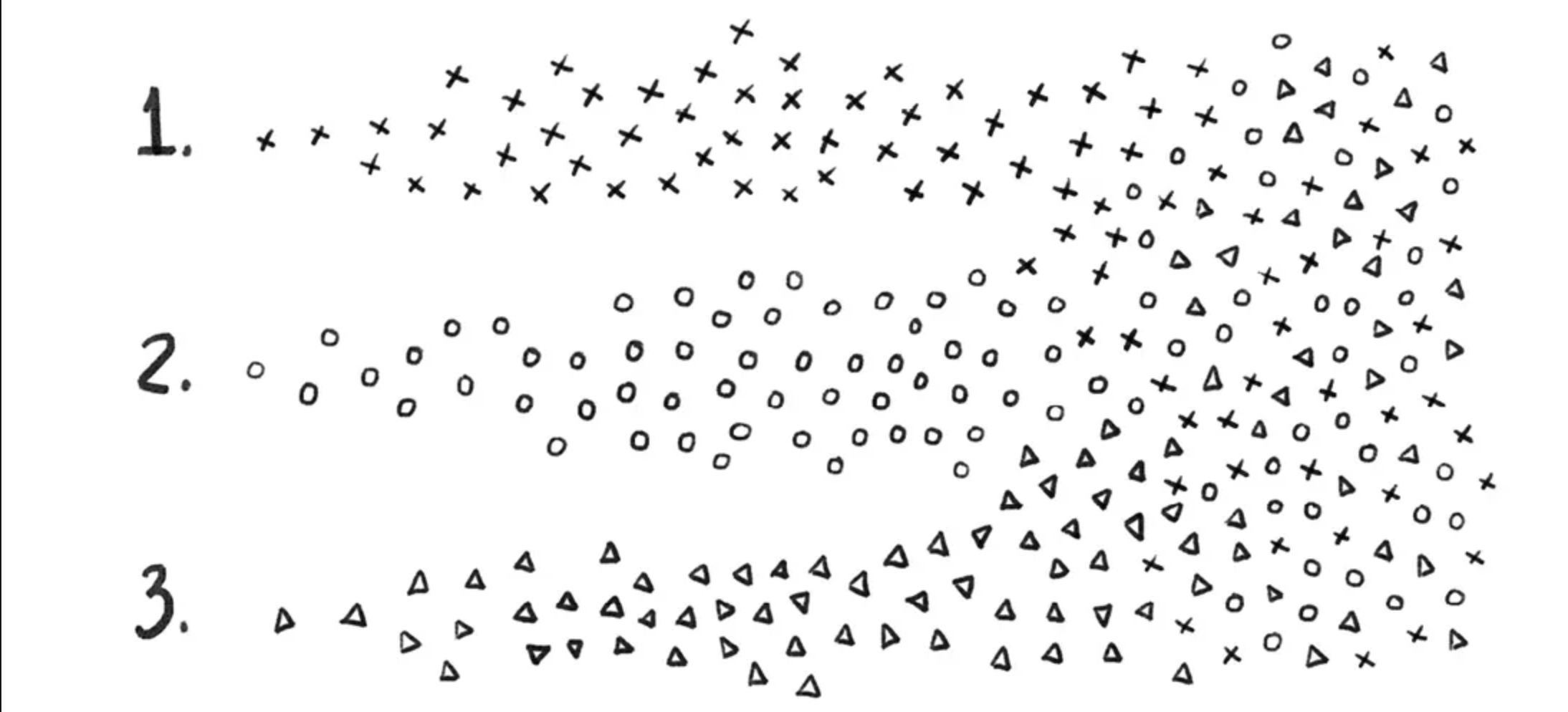
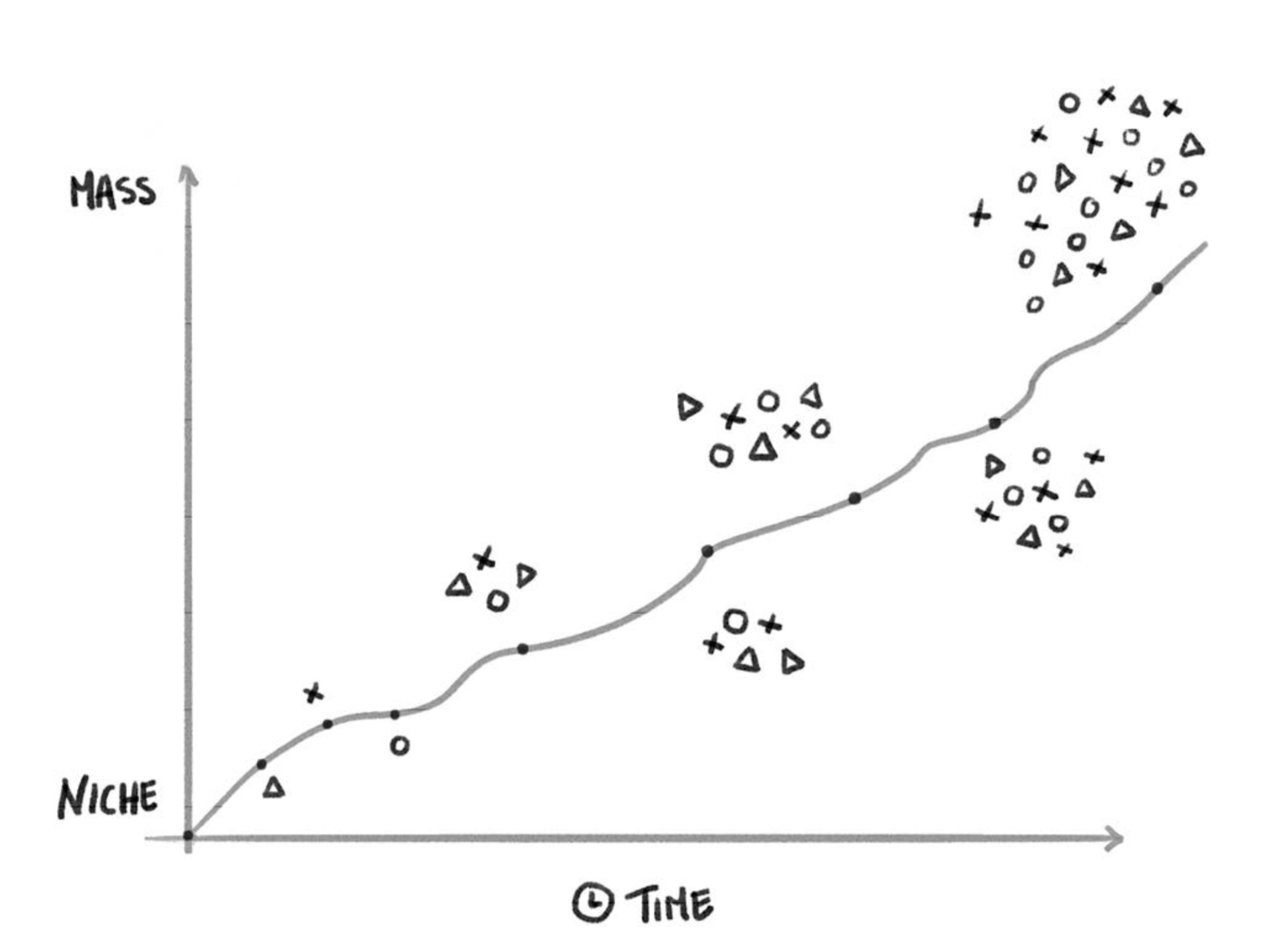
You build trust with each group separately before you bring them together. Communities contain people at very different levels of awareness — some are knee-deep in your core mission, others are just having a look. I simplify these into two groups: the hardcore and the curious. The hardcore are generally the influencers; the curious are the people you want to influence.
Focus only on the hardcore and you get a small, niche crowd — and you risk becoming a Cool Kids Club. Focus only on the curious and you'll grow quickly while missing the people who could actually drive the change you're after. The difficulty is real: hardcore people usually prefer sharing space with their peers, where the value exchange feels more tangible.
Four steps, in order:
Build a home. Define your core — values, principles, purpose — and your strategy to attract, engage, and commit.
Engage the hardcore. Identify the people most committed to your core and work out how to create value for them. Founders-only dinners. Invitations to speak. Make them feel appreciated, because they can add enormous value to everyone else.
Start catering to a wider crowd. Keep the invitation simple — food works nearly everywhere. Before people leave, give them a reason to come back and a clear next step.
Keep cadence, and start mixing. Once people trust you, they'll accept invitations on that trust alone. Now you can create things that bring different crowds into the same room. You become a platform for different worlds to collide.
In practice that often looks like curated dinners for the hardcore running alongside larger meetups where some of them speak, but the curious are the audience.
Where does the word serendipity come from?
Serendipity comes from a Persian fairy tale about the three princes of Serendib — the ancient name for Sri Lanka — who leave the comfort of their palace to travel the world and make remarkable discoveries along the way. The story has more detective fiction in it than magic: the princes befriend a nobleman because of their ability to unravel the mystery of a missing camel.
The abilities that make the princes "serendipitous" are scientific. Observation and cleverness. They aren't lucky: they actively watch their surroundings, drawing on past experience to reach conclusions and make decisions.
Which is the whole point. Serendipitous events come out of a curious, attentive state of mind that brings previous learning into the present moment. That's a condition you can cultivate in a room full of people, and it's the reason "engineering serendipity" isn't a contradiction in terms.
Can serendipity really be engineered?
Not the outcome, but reliably, the conditions. You cannot make two specific people become friends. What you can do is manage frequency, density, and catalyst until meaningful encounters stop being rare, and then prepare people to notice them when they happen. There's a formula for that state of mind:
Abundance + Curiosity = Serendipity.
Feeling grateful for where you are and what you have (abundance), while staying open and wide awake to what might turn up (curiosity). Serendipity often feels like magic, and you are the one who sets the tone for it: creating environments where people are at ease, alert to new opportunities, and welcoming towards unexpected outcomes.
There's a limit to how many introductions one person can make. As your community grows, you'll be less and less able to put a name to a face and connect people where it makes sense. That's the moment to start throwing parties with a purpose — because your real goal was never to make every connection. It was to scale your role as a connector.
And as ever: it's not about the party. It's about the conversations around the table.
How is Engineering Serendipity different from networking?
Networking is something an individual does for themselves; Engineering Serendipity is something a host does for everyone else. A networker works a room to extract value from it.
A host designs the room so that value gets created between people who may never speak to the host at all, and counts it a success when the best conversation of the night is one they had nothing to do with. The difference shows up in what gets measured. Networking counts the contacts you made. Engineering Serendipity counts the connections that formed without you, which is also the only kind that survives your absence.
Adapted from Chapter 16 of Hacking Communities: Cracking the Code to Vibrant Communities by Laís de Oliveira. Also published in Portuguese as Reinventando Comunidades. References for all quoted studies are in the book.
Last updated: 19 August 2026